TB Skin Test vs. TB Blood Test: What’s the Difference? (Torrance, CA TB Testing Guide)
If you need a TB test for work, school, volunteering, or healthcare clearance in California, one of the most common questions is:
Should I get a TB skin test or a TB blood test?
Both tests are used to screen for tuberculosis exposure, and both are accepted in many California workplaces and schools. However, the right option depends on your schedule, medical history, and documentation requirements.
At Lifeline Walk-In Clinic in Torrance, CA, we offer convenient walk-in TB testing and can help you choose the best test for your needs.
Learn more about TB testing services here:
👉
https://www.lifelinewalkinclinic.com/services/tb-testing
Why TB Testing Matters in California
Tuberculosis (TB) screening is commonly required throughout California, especially for:
- Healthcare workers
- Nursing and medical students
- Teachers and school staff
- Childcare employees
- Volunteers in community or clinical settings
TB testing is important because TB infection can exist without symptoms (latent TB), and screening helps protect public health in workplaces and schools.
The Two Main Types of TB Tests
There are two primary methods of TB screening:
- TB Skin Test (PPD Test)
- TB Blood Test (IGRA Test)
Both tests detect whether your immune system has been exposed to TB bacteria, but they work differently.
What Is the TB Skin Test (PPD)?
The TB skin test, also called the PPD test or Mantoux test, has been used for decades.
How It Works
- A small amount of testing solution is injected just under the skin of your forearm
- The injection site is monitored for a reaction
- You must return to the clinic in 48–72 hours for the test reading
What the Provider Looks For
At the return visit, the provider measures any swelling or raised area (not redness alone).
A larger reaction may indicate TB exposure.
Pros of the TB Skin Test
The skin test is popular because:
- It is widely accepted for work and school clearance
- It is inexpensive
- It is commonly used in occupational health screening
Cons of the TB Skin Test
The biggest challenges include:
- Requires two visits (placement + reading)
- Can be falsely positive in people who received the BCG vaccine
- Return visit must happen within a strict 48–72 hour window
If you cannot return for the reading, a blood test may be a better option.
What Is the TB Blood Test (IGRA)?
The TB blood test is also called an IGRA test (Interferon Gamma Release Assay).
This test is a newer screening method that measures how your immune system responds to TB bacteria in a blood sample.
How It Works
- A blood sample is drawn during your visit
- No return visit is needed
- Results are typically available within a few days
Pros of the TB Blood Test
The blood test is often preferred because:
- It requires only one visit
- It is not affected by the BCG vaccine
- It is convenient for busy schedules
- It reduces the risk of missing the return appointment
For many patients in Torrance needing fast clearance, the blood test is the easiest option.
Cons of the TB Blood Test
Possible limitations include:
- May cost more than a skin test
- Results may take a few days rather than immediate reading
- Some employers or schools may specify which test they require
Always check your paperwork, or bring it to your visit so we can help determine the correct test.
Which TB Test Is Better?
The best test depends on your situation.
Here are common scenarios:
Choose a TB Skin Test If:
- Your employer specifically requires PPD
- You can return in 48–72 hours
- You have never received the BCG vaccine
- You need a low-cost option
Choose a TB Blood Test If:
- You cannot return for a second visit
- You have received the BCG vaccine
- You have had a prior positive skin test
- You want a one-visit option for clearance
Both tests are effective — the key is choosing the right one for your needs.
TB Testing After the BCG Vaccine
One of the most common questions in California is:
“Will the TB skin test be positive because I had the BCG vaccine?”
The BCG vaccine (common outside the U.S.) can cause a false-positive reaction on a skin test.
In those cases, the TB blood test is often preferred because it is not affected by the vaccine.
If you were vaccinated or are unsure, talk with your provider about blood testing options.
What Happens If Either Test Is Positive?
A positive TB test does not automatically mean you have active TB.
There are two types of TB infection:
Latent TB
- No symptoms
- Not contagious
- May require follow-up evaluation
Active TB
- Symptoms such as cough, fever, weight loss
- Potentially contagious
- Requires further medical care
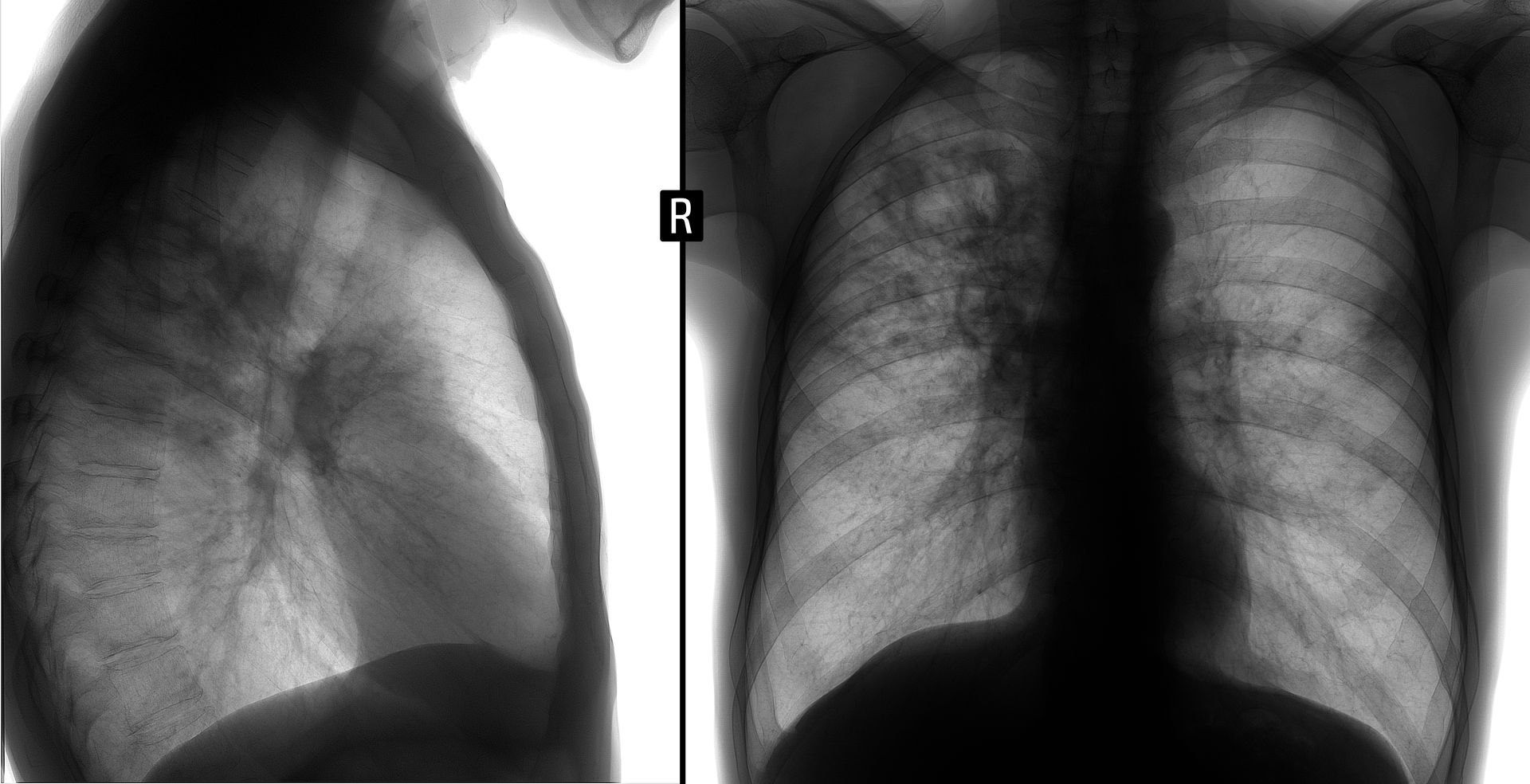
If your test is positive, additional evaluation such as a chest X-ray may be required for clearance.
Our clinic can guide you through next steps and documentation.
Walk-In TB Testing in Torrance, CA
If you’re searching for:
- TB test near me
- TB skin test Torrance CA
- TB blood test California
- Walk-in TB clearance testing
Lifeline Walk-In Clinic makes the process easy.
We provide:
- Walk-in TB skin testing (PPD)
- TB blood testing (IGRA)
- Clearance documentation support
- Convenient Torrance location
- No appointment required
Visit our TB testing page here:
👉https://www.lifelinewalkinclinic.com/services/tb-testing
What to Bring to Your TB Test Appointment
To ensure a smooth visit, bring:
- Photo ID
- Employer or school forms
- Insurance card (if applicable)
- Prior TB test records if available
If you’ve tested positive before, bring documentation of chest X-rays or prior clearance.
FAQs About TB Skin vs Blood Testing
1. Do I have to return for a TB skin test reading?
Yes. The skin test requires a return visit in 48–72 hours to complete the test.
2. Is the TB blood test more accurate?
Both tests are reliable, but the blood test is preferred for individuals with prior BCG vaccination or those unable to return for reading.
3. Can I walk in for TB testing in Torrance without an appointment?
Yes. Lifeline Walk-In Clinic offers walk-in TB skin and blood testing with no appointment needed.
Disclaimer: The information provided on this blog is for general informational purposes only and is not intended as, and should not be considered, medical advice. All information, content, and material available on this blog are for general informational purposes only. Readers are advised to consult with a qualified healthcare professional for medical advice, diagnosis, or treatment. The author and the blog disclaim any liability for the decisions you make based on the information provided. Always seek the advice of your physician or other qualified health provider with any questions you may have regarding a medical condition.