Latent TB vs. Active TB: What’s the Difference? (Torrance, CA Guide)
If you’ve recently had a TB test for work or school clearance in California, you may have come across terms like:
- Latent TB
- Active TB
- Positive TB test
One of the most common questions people ask after screening is:
“What’s the difference between latent TB and active TB?”
Understanding this difference is important — especially because most people who test positive for TB do not have active tuberculosis disease.
At Lifeline Walk-In Clinic in Torrance, CA, we provide walk-in TB testing and help patients understand their results and next steps.
Learn more about TB testing services here:
👉
https://www.lifelinewalkinclinic.com/services/tb-testing
What Is Tuberculosis (TB)?
Tuberculosis (TB) is an infection caused by the bacteria Mycobacterium tuberculosis.
TB most commonly affects the lungs, but it can also affect other parts of the body.
TB spreads through the air when a person with active TB disease coughs, sneezes, or speaks.
Because TB can exist in the body without causing symptoms, testing is often required for employment, school, and healthcare clearance — especially in California.
The Two Types of TB Infection
There are two main forms of TB:
- Latent TB Infection
- Active TB Disease
They are very different in terms of symptoms, contagiousness, and treatment.
What Is Latent TB?
Latent TB infection means:
- You have been exposed to TB bacteria
- The bacteria are inactive in your body
- You do not feel sick
- You have no symptoms
- You are not contagious
This is the most common outcome after a positive TB test.
Many people with latent TB never develop active disease, but follow-up evaluation is important.
Key Facts About Latent TB
- No cough or illness
- Cannot spread TB to others
- Often discovered through routine screening
- May require preventive treatment in some cases
Latent TB is often identified during work or school clearance testing.
What Is Active TB?
Active TB disease occurs when TB bacteria become active and begin multiplying in the body.
Active TB means:
- You may feel sick
- You may have symptoms
- You may be contagious
- Medical treatment is required
Active TB is less common, especially in routine workplace screening, but it is more serious.
Symptoms of Active TB
Common symptoms include:
- Persistent cough lasting more than 3 weeks
- Fever
- Night sweats
- Unexplained weight loss
- Fatigue
- Chest pain
- Coughing up blood (in severe cases)
If you experience these symptoms, prompt medical evaluation is essential.
Is Latent TB Contagious?
One of the biggest questions patients ask is:
“Can I spread TB if I have latent TB?”
The answer is no.
Latent TB infection is not contagious.
You cannot spread TB bacteria to:
- Family members
- Coworkers
- Classmates
- Friends
Only active TB disease in the lungs or throat can spread through the air.
How Do You Know If TB Is Latent or Active?
A TB test alone cannot determine whether TB is latent or active.
That’s why follow-up evaluation is important.
After a positive TB test, providers may recommend:
- Symptom review
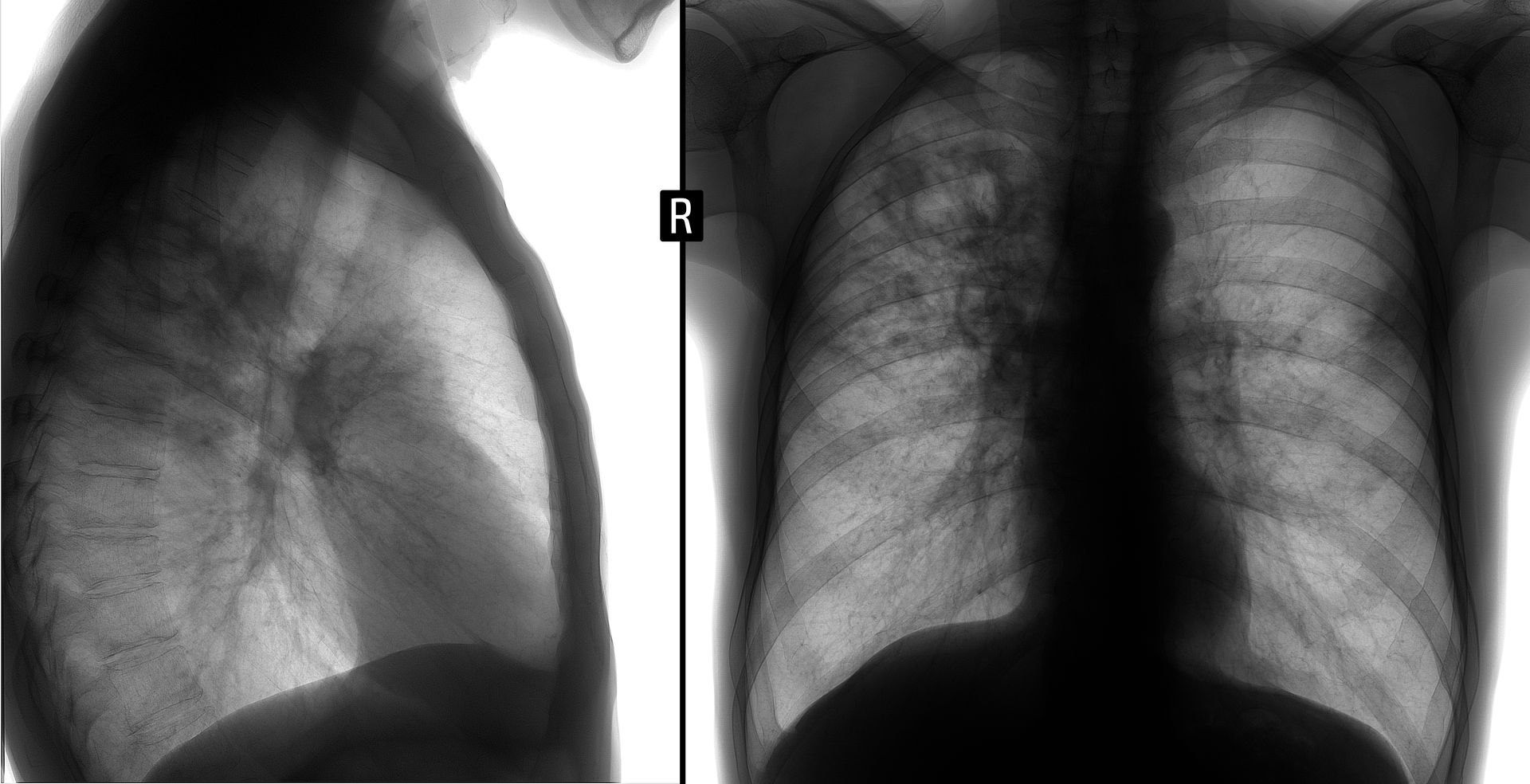
- Chest X-ray
- Additional testing if needed
A normal chest X-ray and no symptoms typically indicate latent TB.
Why Does Latent TB Matter?
Even though latent TB is not contagious, it can sometimes become active later in life — especially if the immune system becomes weakened.
Risk factors for progression include:
- Immune system suppression
- Certain medical conditions
- Older age
- Recent TB exposure
Some individuals may be offered preventive treatment to reduce the risk of developing active TB.
TB Testing for Work and School in California
TB testing is commonly required for:
- Healthcare workers
- Nursing and medical students
- Teachers and school employees
- Childcare staff
- Volunteers in schools or hospitals
Because California has specific clearance requirements, understanding latent vs active TB is especially important.
At Lifeline Walk-In Clinic in Torrance, we provide walk-in TB testing and guidance for clearance documentation.
Learn more here:
👉
https://www.lifelinewalkinclinic.com/services/tb-testing
What Happens If You Test Positive in California?
A positive TB test often leads to:
- Chest X-ray requirement for clearance
- Documentation confirming no active TB
- Possible follow-up with a healthcare provider
Most people who test positive have latent TB and can still work or attend school once active disease is ruled out.
Walk-In TB Testing in Torrance, CA
If you’re searching for:
- Latent TB vs active TB explanation
- TB testing near me Torrance CA
- Walk-in TB clearance California
- Is latent TB contagious
Lifeline Walk-In Clinic offers:
- Walk-in TB skin and blood testing
- Follow-up guidance for positive results
- Documentation support for work and school clearance
- Convenient Torrance location
No appointment is needed.
Visit our TB testing page here:
👉
https://www.lifelinewalkinclinic.com/services/tb-testing
When Should You Seek Urgent Medical Evaluation?
Seek medical care promptly if you have:
- Persistent cough
- Fever
- Night sweats
- Unexplained weight loss
- Known exposure to active TB
These symptoms may require further evaluation beyond routine screening.
FAQs About Latent TB vs Active TB
1. What does latent TB mean?
Latent TB means you were exposed to TB bacteria, but the infection is inactive. You have no symptoms and are not contagious.
2. Is active TB contagious?
Yes. Active TB in the lungs or throat can spread through the air and requires medical treatment.
3. Can I walk in for TB testing in Torrance?
Yes. Lifeline Walk-In Clinic offers walk-in TB testing and clearance support with no appointment required.
Disclaimer: The information provided on this blog is for general informational purposes only and is not intended as, and should not be considered, medical advice. All information, content, and material available on this blog are for general informational purposes only. Readers are advised to consult with a qualified healthcare professional for medical advice, diagnosis, or treatment. The author and the blog disclaim any liability for the decisions you make based on the information provided. Always seek the advice of your physician or other qualified health provider with any questions you may have regarding a medical condition.