Diabetes Screening & Management: Know Your Numbers and Reduce Your Risks
April 5, 2025
What is Diabetes?
Diabetes Mellitus is a set of diseases that result from excessive glucose (sugar) in the blood.
- Type I: Also known as juvenile diabetes or insulin-dependent diabetes, is a chronic autoimmune disease that occurs when the body's immune system destroys the cells that generate insulin. The lack of insulin hormone causes a build-up of glucose in the blood, causing hyperglycemia (high blood sugar).
- Type II: The most common type of Diabetes, in which the body has trouble processing excessive amounts of sugar, causing an imbalance. Risk factors include family history, obesity, high blood pressure, inactivity, smoking, and poor dietary choices, among others.
Symptoms of Diabetes
Symptoms of Diabetes Mellitus can vary between different individuals. Symptoms may include:
- Excessive fatigue
- Polyuria (excessive urination)
- Frequent thirst
- Dry mouth
- Unexplained weight loss
- Dry and itchy skin
- Blurred vision
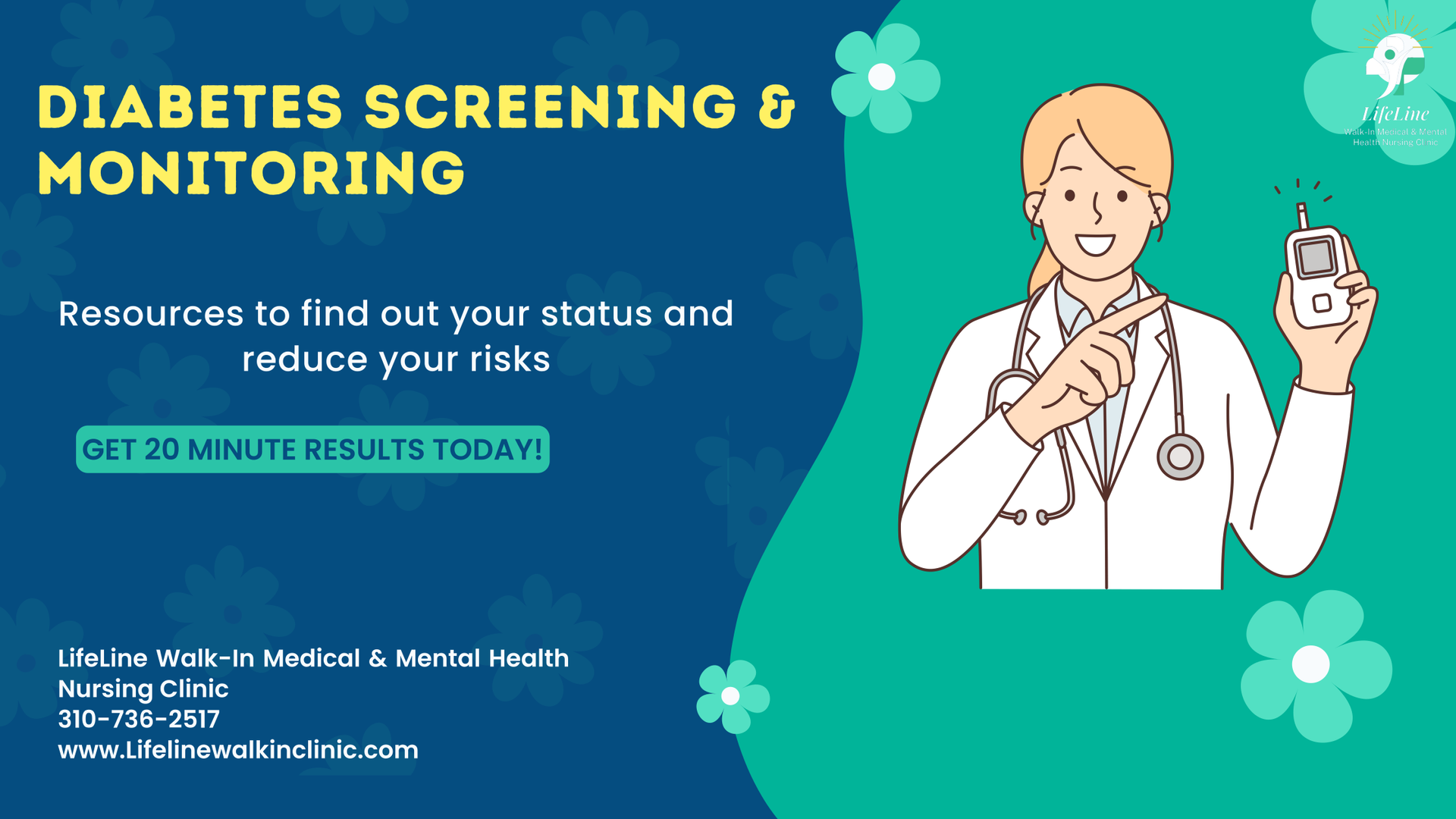
Diabetes Screening & Monitoring
Rapid Testing
- Blood Glucose: Tests your current blood sugar level. A fasting glucose of greater than 100mg/dl can indicate prediabetes, while a glucose of 126 mg/dl or higher may be suggestive of diabetes.
- Hemoglobin A1C: This test gives an average of your glucose levels over the last 3 months. It is sometimes used as a definitive diagnosis test for diabetes. An A1c of 5.7-6.4% is indicative of prediabetes. An A1c of 6.5% or higher is suggestive of diabetes.
Laboratory Send-Out
- Blood glucose and/or Hemoglobin A1C: Quest/LabCorp lab testing with results available within 1-2 days.
Know Your Numbers
Early screening for diabetes and routine monitoring can help people reduce and avoid complications of the disease. Consider testing if you:
- Have not been tested in the past 1 year or more
- Have potential symptoms of diabetes
- Have a family history of diabetes
- Have risk factors such as family history, obesity, or high blood pressure
Additional Services
- Medical Weight Loss
- Nutrition Counseling
- Rapid Cholesterol Testing
- Smoking Cessation
- Lipo-MIC weight loss injections
- Insomnia therapies
- Diabetes Medication therapies
Resources
American Diabetes Association:
www.diabetes.org
LifeLine Walk-In Medical & Mental Health Nursing Clinic:
www.lifelinewalkinclinic.com
Join Our Newsletter
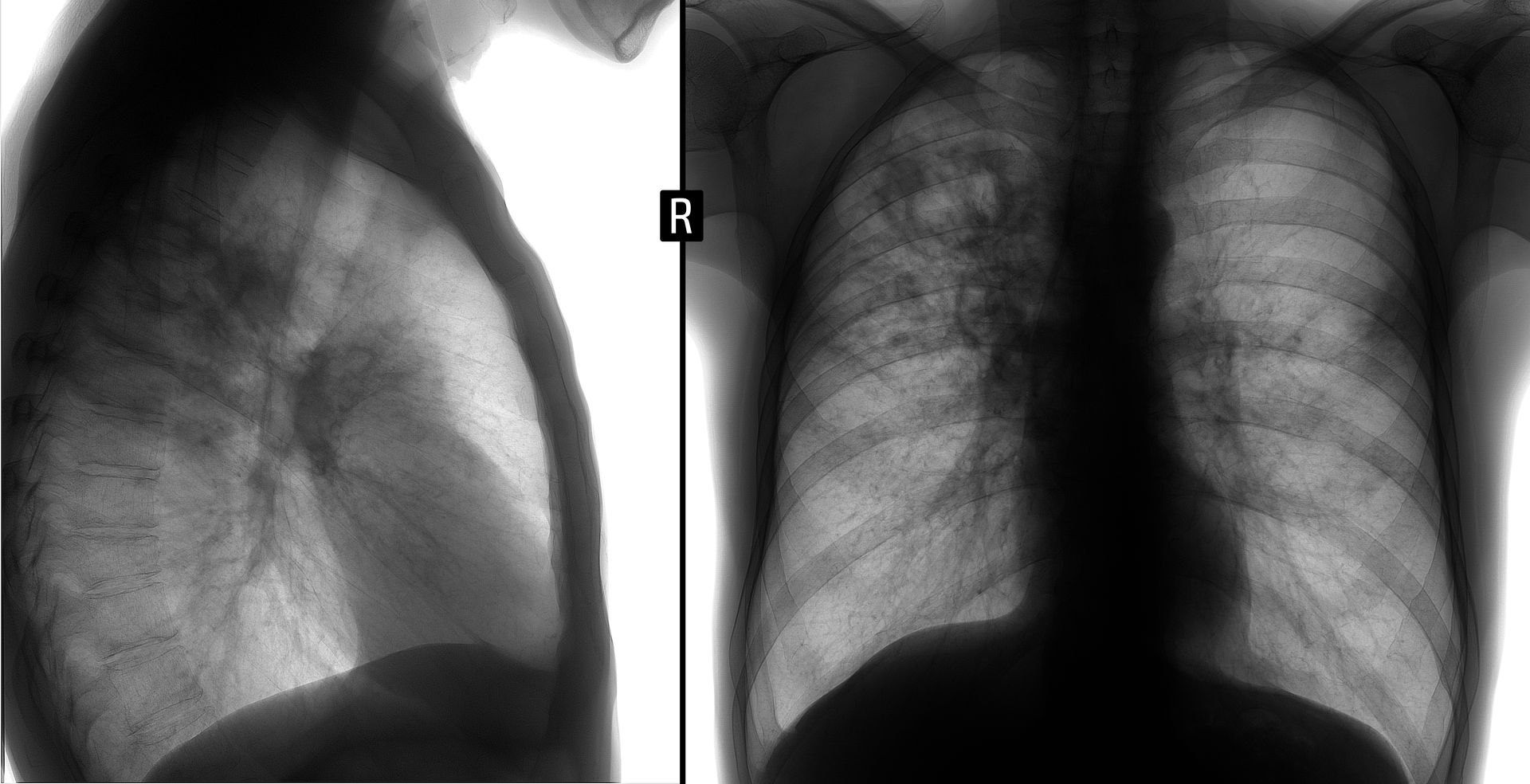
Find out why a chest X-ray is recommended after a positive TB test, what it detects, and next steps for TB care in Torrance, CA.
Learn the difference between latent TB and active TB, including symptoms, risks, and treatment options. Expert TB care guide for Torrance, CA.
Learn what happens after a positive TB test, including follow-up testing, chest X-rays, and treatment options in Torrance, CA.
Learn how long a TB test takes, when to expect results, and what happens during testing. Get clear answers in this complete TB test timing guide.
Find fast and reliable TB testing in Torrance, CA. Explore walk-in clinics offering same-day TB tests for work, school, or peace of mind.
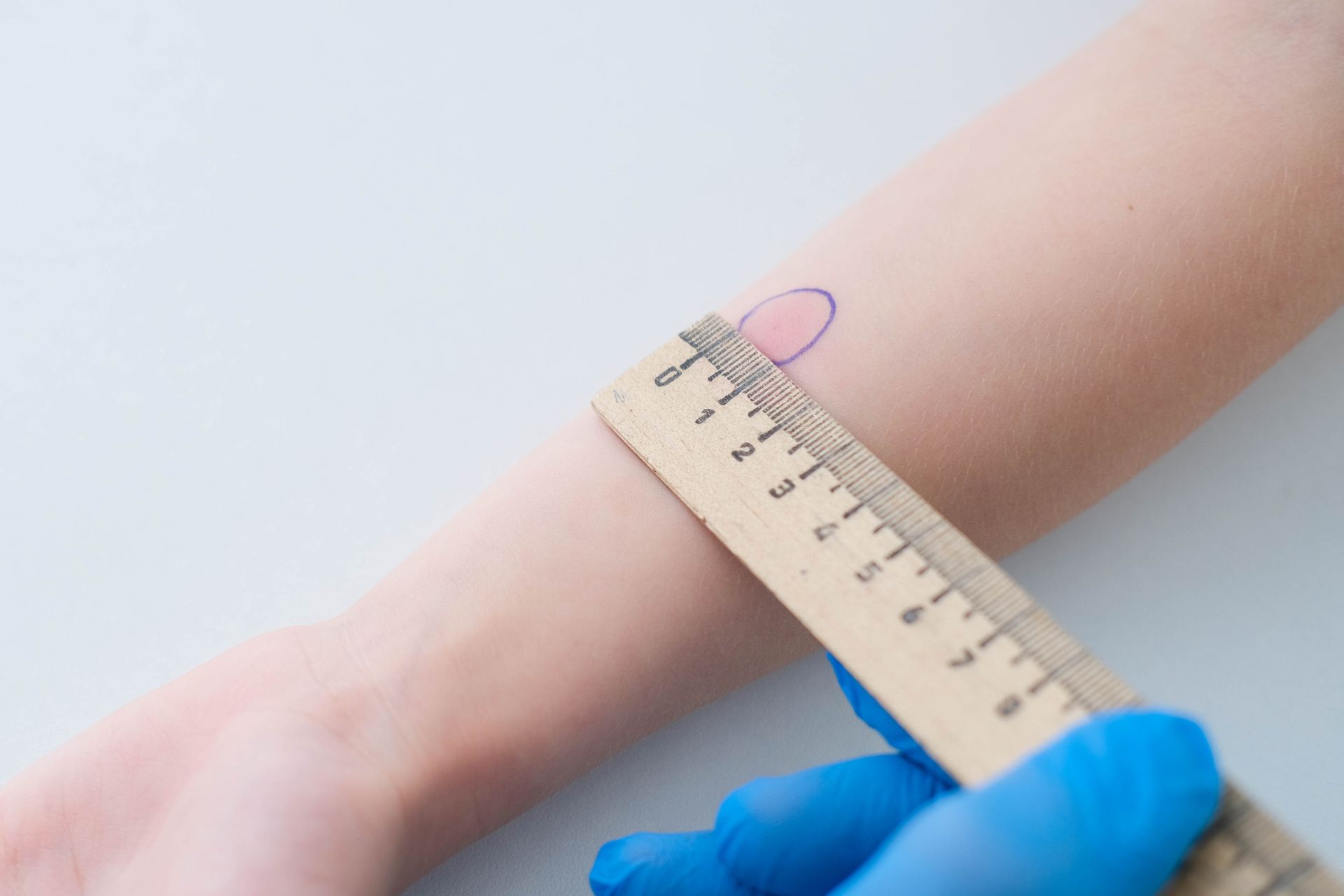
Learn the differences between the TB skin test and TB blood test, including accuracy, procedure, and when each test is recommended.

Find out when TB testing is required for jobs, schools, and volunteers in California. Get fast TB testing and clearance in Torrance, CA.

Get same-day TB testing in Torrance, CA. Walk in for TB test placement and clearance for school, employment, and volunteer programs at LifeLine Walk-In Clinic.
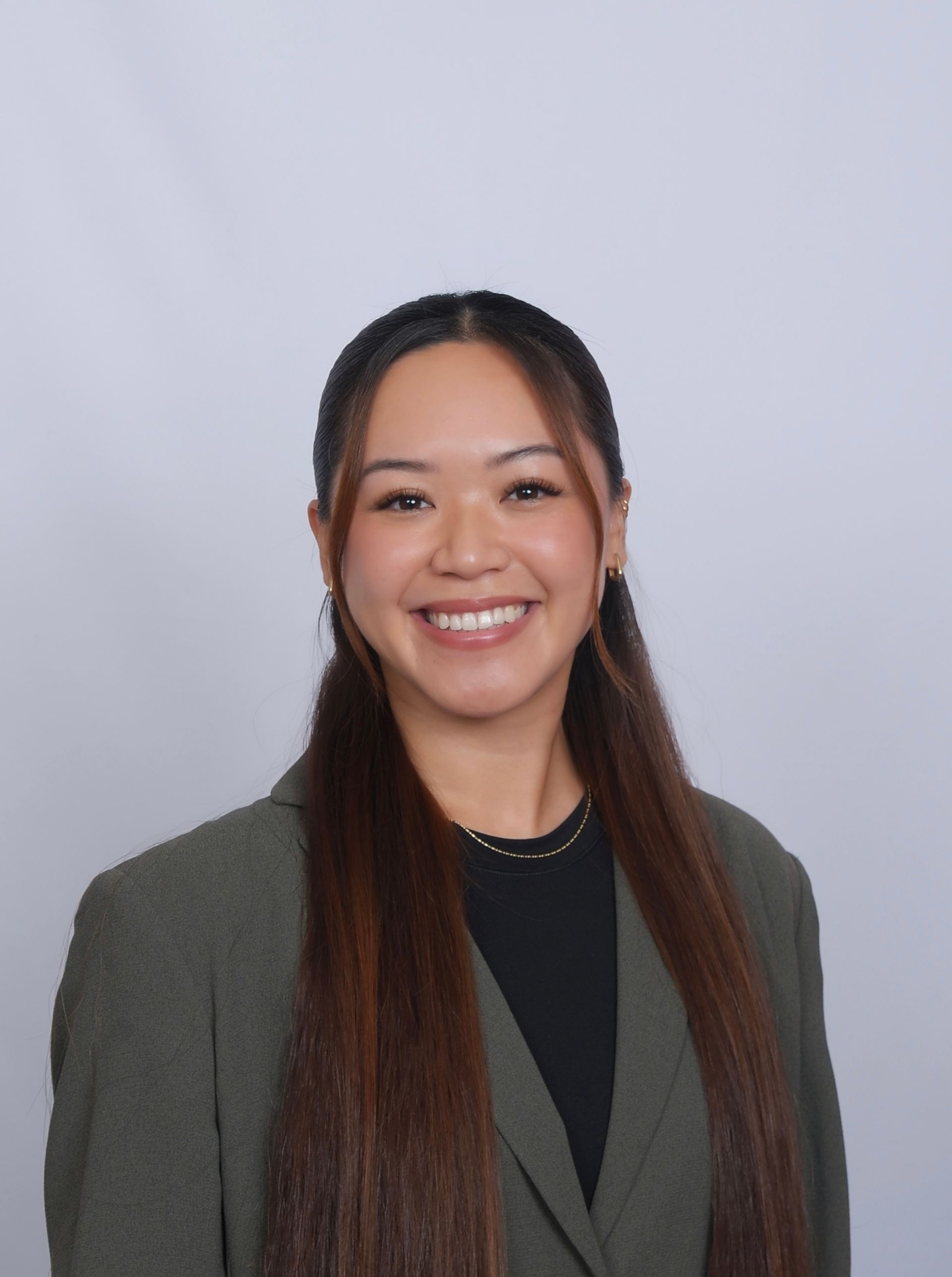
Meet Noleen Nobleza, PMHNP-BC, the newest provider at Lifeline Walk-In Clinic, dedicated to compassionate mental health care and personalized patient support.
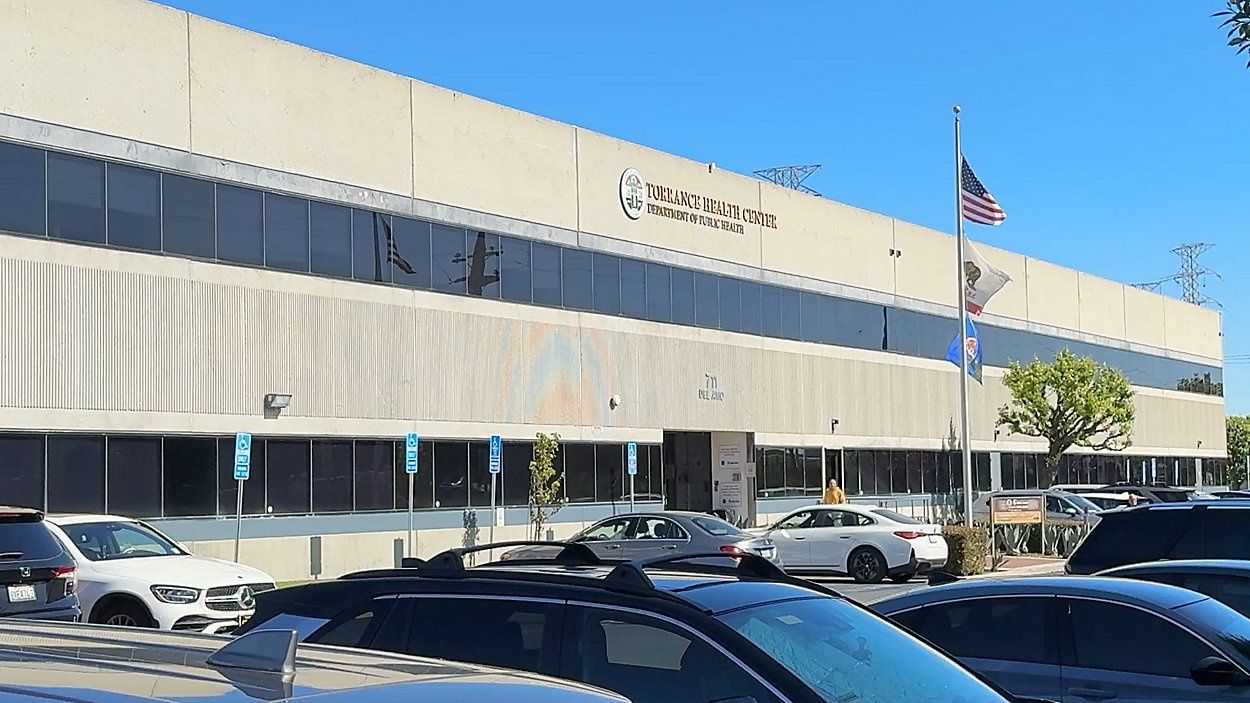
LOS ANGELES — The Los Angeles County Public Health Department is ending clinical services at seven of its 13 locations throughout the county. What You Need To Know Cuts result from significant fiscal challenges because of a more than $50 million cut in federal, state, and local funding According to the County Health Department, federal funding accounts for almost 50% of its budget Due to continued uncertainty, the statement released by the health department noted there could be additional service disruptions going forward The clinics that are stopping services offered things like vaccines and STD testing In a statement released by the health department, it cited significant fiscal challenges because of a more than $50 million cut in federal, state and local funding. Dr. Anulika Chilaka opened Lifeline Walk-in Clinic in Torrance a year ago, and she said privately owned clinics like hers will not be impacted by these cuts. “It is concerning when people are losing access to care. It is always concerning to anyone from a health care standpoint, but we want people to know we are here for you,” said Dr. Chilaka. According to the County Health Department, federal funding accounts for almost 50% of its budget. Because of a more than $50 million cut in federal, state, and local funding, the county will close locations starting on February 27. Due to continued uncertainty, the statement released by the health department noted there could be additional service disruptions going forward. Leaving family-owned clinics like Dr. Chilaka’s filling the gap. “We are open, we don’t have the same restrictions, we can do as much as we can, we can spend as much time with our patients, we can do more than perhaps some other places may be able to,” said Dr. Chilaka. In a statement sent to Spectrum News by LA County Supervisor Kathryn Barger, she said in part: “The Department of Public Health’s decision was based on low patient volume and the clinic’s limited scope of care. I will continue to monitor DPH’s closure plan to ensure patients are fully supported through referrals to nearby community-based clinics and other transition resources so they continue receiving the care they need.” The clinics that are stopping services offered things like vaccines and STD testing. According to the health department, these locations will still offer non-clinical services and programs. For a full list of clinics still offering services in the county and the clinics ending services you can follow this link.